
Selecting kitchen and bathroom surfaces requires evaluating how various materials endure daily cooking hazards, accidental spills, and sharp kitchen utensils over time. Kitchen surfaces must withstand scorching pots, acidic foods, heavy cast-iron skillets, and abrasive cleaning pads without showing unsightly permanent damage. Different surface options exhibit distinct physical performance characteristics depending on their natural composition or manufacturing processes. Homeowners who examine material resilience make smarter investments that keep kitchen work zones functional, beautiful, and easy to maintain. Understanding these material trade-offs ensures long-term satisfaction in busy household spaces. Evaluating material durability provides essential knowledge before committing to major kitchen remodeling projects.
Evaluating Granite Counters for Superior Heat Resistance and Surface Durability
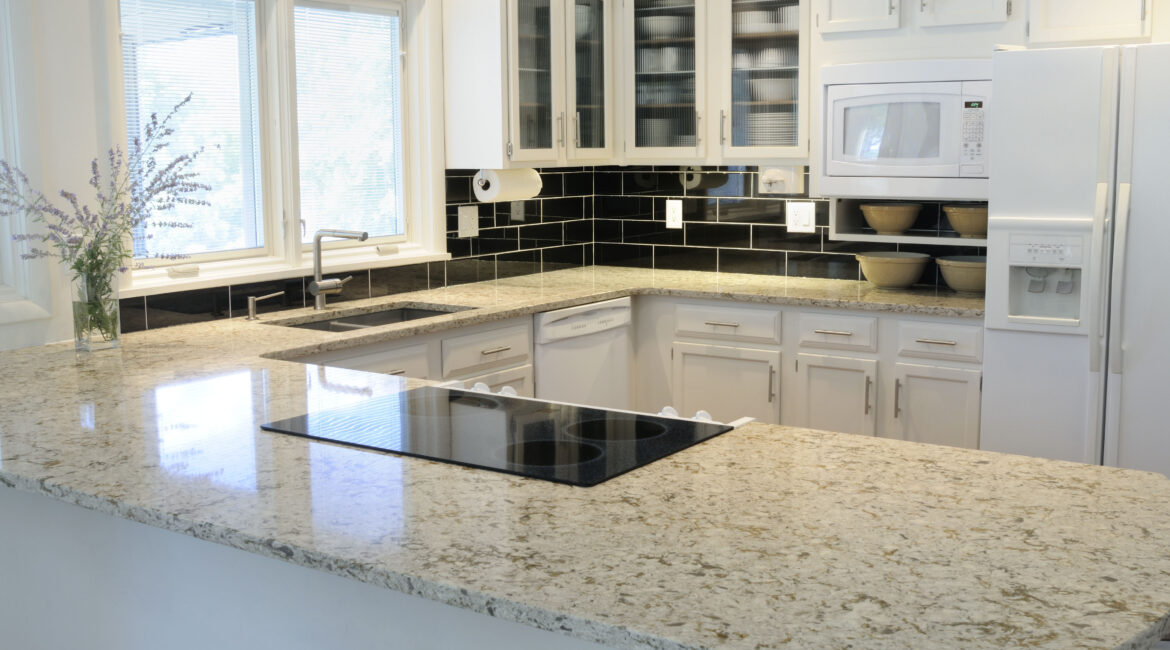
Natural igneous stone slabs provide exceptional thermal tolerance, allowing hot cookware to rest directly on surfaces without causing immediate discoloration or cracking. Dense mineral structures resist sharp knife blades and heavy cookware impacts, making these surfaces nearly immune to deep surface scratches during daily meal prep. However, raw stone remains inherently porous, requiring periodic application of protective penetrating sealers to prevent dark liquid spills like red wine, coffee, or cooking oil from soaking into microscopic pores. Homeowners who install sealed granite counters gain an extremely resilient work surface capable of enduring intense kitchen heat and heavy daily cooking activities for many decades.
Analyzing Quartz Surfaces for Stain Prevention and Daily Wear Tolerance
Engineered stone surfaces combine natural quartz crystals with strong polymer resins, creating non-porous slabs that completely block liquid absorption and stubborn household stains. Acidic food items like lemon juice, vinegar, and tomato sauce leave no lasting marks, eliminating the tedious sealing maintenance associated with natural stone surfaces. However, high temperatures from hot frying pans can scorch or discolor the synthetic resin binders inside engineered slabs, making trivets necessary during cooking. While resin binders provide slight flexibility against minor impact chipping, sharp utensils can still leave fine abrasions. Installing these non-porous surfaces provides exceptional stain protection alongside long-term daily durability.
Examining Marble Options for Classic Aesthetics and Maintenance Needs
Metamorphic limestone surfaces offer iconic veining and luxurious appeal, making them highly desirable features in upscale kitchens and custom bathrooms alike. According to Woodworking Network, quartz (78%), quartzite (62%), and granite (43%) are the most preferred countertop materials, while marble ranks as the third most popular material for bathroom designs. Despite its popularity, soft calcium composition makes marble particularly vulnerable to etching from acidic juices, vinegar, and harsh bathroom cleaners. Soft stone surfaces also scratch easily when contacted by metallic objects, sharp utensils, or abrasive scrubbing sponges. Careful sealing helps delay liquid penetration, yet owners must accept developing natural patinas over time.
Assessing Solid Surface Materials for Seamless Repairs and Spill Protection
Synthetic acrylic and polyester formulations create completely seamless installations that naturally repel moisture, dark liquids, and household bacterial growth. Non-porous compositions stop coffee, juice, and oil spills from penetrating beneath surfaces, making daily cleanup extraordinarily simple with mild soap and water. However, synthetic compositions melt or scorch easily when exposed to hot pans, requiring permanent heat protection like trivets or hot pads. Sharp chef knives easily scratch soft acrylic surfaces, though fine abrasions and minor burn marks can be buffed out using light abrasive pads. Choosing acrylic solid surfaces offers seamless design continuity with simple scratch repair capabilities.
Inspecting Stainless Steel Counters for Commercial-Grade Heat Resistance and Hygiene
Industrial metal surfaces deliver unmatched heat resistance, allowing boiling pots, hot baking sheets, and heavy cookware to rest anywhere without causing thermal shock damage. Non-porous metal surfaces completely block liquid absorption, preventing deep food stains, bacterial colonization, or chemical damage from strong household cleaning agents. However, smooth steel surfaces scratch easily when contacted by sharp cutlery, heavy ceramic dishware, or abrasive scouring pads, developing a brushed patina through regular kitchen usage. Metal surfaces also show visible fingerprints, water spots, and smudges quite easily. Utilizing steel surfaces creates ultra-hygienic cooking stations capable of enduring extreme kitchen thermal conditions.
Investigating Butcher Block Wood Surfaces for Warm Aesthetics and Knife Tolerance
Natural hardwood surfaces bring inviting organic warmth to kitchen prep areas while offering a forgiving surface that preserves sharp knife edges. Wood fibers handle minor knife contacts gracefully without dulling blades, though direct chopping leaves visible surface cuts, scuffs, and deep scratches over time. Unsealed timber absorbs liquids quickly, leading to dark food stains, water damage, or bacterial growth if spills are left unattended. Scorching pots easily burn untreated wood, leaving permanent dark rings on work surfaces. Regular oiling or sealing preserves moisture resistance, allowing owners to easily sand away surface scratches and deep stains during routine maintenance.
Reviewing Concrete Slabs for Custom Styling and Structural Toughness
Custom cast concrete slabs offer industrial aesthetics, customizable colors, and heavy-duty structural toughness suited for modern open kitchen designs. High thermal resistance allows raw concrete to withstand hot cookware, though topical sealers applied to block stains can scorch or discolor under direct pan heat. Porous cement mixtures absorb liquids rapidly, requiring high-performance topical or penetrating sealers to prevent deep oil and food staining. Sharp objects can scratch thin topical coatings, exposing underlying cement to potential staining. Maintaining protective sealant coatings ensures cast concrete surfaces resist deep liquid penetration while enduring demanding kitchen prep activities.
Comparing Porcelain Slabs for Ultimate Resistance to Heat, Stains, and Scratches
High-fired ceramic slabs represent engineered innovation, offering unmatched durability across all primary physical wear categories in modern residential kitchens. Extreme manufacturing temperatures render porcelain completely immune to direct cookware heat, preventing thermal shock, scorching, or surface discoloration. Vitrified non-porous surfaces completely block liquid absorption, ensuring dark wines, oils, and chemical cleaners leave no permanent stains or surface etching. Hard mineral structures resist deep scratching from sharp kitchen cutlery and heavy cookware impacts. Choosing porcelain slabs provides homeowners with virtually indestructible kitchen surfaces capable of withstanding intense thermal, chemical, and physical stresses without degrading over time.
Understanding Laminate Surfaces for Budget-Friendly Style and Moderate Protection
Composite paper layers bonded with plastic resins offer economical surface solutions with extensive color, pattern, and texture options for budget renovations. Non-porous synthetic topcoats repel common household liquid spills, making daily stain removal quick and straightforward using soft, damp cloths. However, thin plastic surfaces melt or scorch quickly when contacted by hot cooking pans, making dedicated hot pads essential. Sharp kitchen knives easily slice through thin decorative layers, causing permanent scratches and exposing inner particleboard cores to swelling moisture. Utilizing budget laminate surfaces delivers cost-effective stain protection, provided users exercise caution regarding direct heat and sharp utensils.
Maintaining Granite Counters for Optimal Performance and Long-Term Value
Preserving natural stone performance requires routine maintenance habits that protect underlying mineral structures against daily chemical and physical wear. Applying quality penetrating sealers annually creates invisible barriers that block liquid absorption, preventing dark food stains from setting into porous stone. Wiping up acidic spills promptly prevents sealants from breaking down prematurely, preserving natural stone gloss across high-use cooking zones. Using soft microfiber cloths and pH-neutral stone cleaners prevents dull residue buildup while protecting existing sealant layers. Homeowners who care for granite counters preserve natural heat resistance and scratch tolerance, ensuring kitchen surfaces maintain exceptional structural integrity and visual appeal forever.
Selecting ideal kitchen surfaces requires balancing heat tolerance, stain resistance, scratch durability, and routine maintenance expectations against available renovation budgets. Durable porcelain slabs, engineered quartz surfaces, and classic granite counters provide superior resistance across multiple performance categories, securing lasting value for busy residential kitchens. Soft marble, butcher block wood, and budget laminate surfaces demand extra care regarding sharp utensils, acidic foods, or direct cookware heat to prevent permanent surface damage. Matching material properties to individual cooking habits ensures long-term satisfaction without unexpected surface degradation. Investing in resilient granite counters protects home equity, elevates interior design aesthetics, and simplifies daily kitchen cleanup routines for decades.
Are you considering beautiful new granite counters for your home in Burlington, WA, and the surrounding areas? Look no further than the countertop experts at Stone Pros Marble, Granite, & Quartz Countertops, LLC! Contact us today for more information.